
Series: The Sweibel Arts Strategy Sprint, Part 3 of 3

There is a silent crisis inside arts administration: the deep divide between the boardroom’s strategic goals and the database administrator’s reality.
In executive meetings, leadership sets ambitious goals:
“We are going to launch a dynamic segmentation campaign to convert lapsed single-ticket buyers into multi-buyers, while deploying automated personalized retention paths based on patron recency and value.”
It sounds brilliant. But when that mandate flows down to the marketing department, it hits a wall.
Why? Because the external strategy was developed in total detachment from the organization’s ticketing CRM system. The database architecture isn’t tagged correctly. The transaction history hasn’t been cleaned. The constituent attributes don’t support the proposed segmentation.
The marketing team ends up spending 80% of its time manually fighting its software rather than executing high-converting campaigns.
A marketing strategy that cannot be executed natively inside your ticketing CRM is not a strategy. It’s an operational bottleneck.
The Cost of CRM Detachment
Having spent decades within executive marketing leadership and the Tessitura ecosystem, delivering TLCC plenary talks and working directly alongside technical planners, I’ve seen how much potential revenue can be lost to CRM detachment.
When external consultants design campaigns without platform fluency, one of two breakdowns occurs.
The Technical Collapse
The internal team tries to build the complex campaign, realizes the database structure doesn’t support it, and abandons the initiative halfway through.
The Operational Burnout
The team attempts to execute the strategy through manual workarounds, spreadsheets, and late-night data entry. Campaign errors accumulate, launches are delayed, and staff burnout becomes another operational cost.
Neither outcome is a failure of ambition. Both are failures of alignment between strategy and execution.
Strategy Must Be Built Around Your Ticketing CRM
To drive real revenue, strategic planning and database fluency must be inseparable.
Your sales curve models, price scaling, patron segmentation, and loyalty triggers must be built inside the architectural reality of systems like Tessitura from day one.
That means understanding what your database can support, what needs to be cleaned or reconfigured, and which workflows can realistically be automated.
It also means involving the people who understand the system before the strategy is finalized, not after the campaign has already been promised.
What Happens When Strategy and Technology Align?
When strategic goals align with CRM architecture and operational capacity, organizations can build a more sustainable approach to marketing execution.
- Segmentations are automated: Reduce manual data pulling and give staff more time to develop and execute campaigns.
- Sales curves are tracked: Use current inventory and transaction data to inform pricing and promotional decisions before momentum stalls.
- Campaign execution accelerates: Reduce the manual steps and handoffs that can turn a straightforward campaign into weeks of work.
The goal isn’t automation for its own sake. It’s a system in which the technology supports the strategy, the strategy supports the audience relationship, and the team can execute without constantly working around its tools.
Build a 90-Day Execution Roadmap
You don’t need another strategy document that leaves your staff to figure out the technical details.
You need a roadmap that accounts for your existing CRM architecture, data quality, staff capacity, and operational priorities.
Start by identifying where the current database prevents your team from executing its intended campaigns. Assess the quality of patron records and transaction history. Map proposed segmentation and automation to actual system capabilities. Then prioritize the changes that will have the greatest operational and revenue impact.
Stop accepting strategy recommendations that require a translator to implement. Demand frameworks built by practitioners who understand your database as well as your audience.
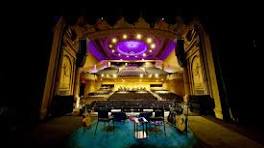
Cross-Genre Automated Nurture Campaigns: Turning One-Time Buyers Into Multi-Ticket Patrons
Series: Mastering Performing Arts Growth, Part Six of Seven
One of the largest hidden revenue drains in presenting theater operations is the single-genre silo: a condition where patrons purchase tickets exclusively for one genre, such as stand-up comedy, and never explore related offerings, such as live music or film.
By analyzing cross-genre purchasing patterns within transaction databases, venue marketers can identify opportunities to introduce patrons to new programming through targeted, automated email campaigns.
The objective is to use demonstrated audience behavior to make the next ticket purchase more relevant.
Identify Cross-Genre Purchasing Patterns
Historical database analyses can reveal unexpected relationships between audience segments. Patrons who purchase tickets for one genre may also demonstrate an affinity for another.
For example, the supplied behavioral analysis identifies these potential crossover patterns:
- Patrons attending a Motown/Soul concert exhibit a 5.27x higher likelihood of purchasing a ticket for a Reggae/Roots show compared with the database baseline.
- Audiences buying tickets for World Music show a 4.51x higher conversion rate when presented with cross-promotional offers for Jazz/Fusion artists.
These examples illustrate the potential value of analyzing purchasing behavior rather than relying on broad genre assumptions. The specific multipliers should be interpreted in the context of their underlying dataset, comparison group, and measurement period.
The strategic opportunity is to use these patterns to identify which recommendations are most relevant to each patron.
Build a 48-Hour Automated Post-Show Workflow
Instead of relying exclusively on generic monthly newsletters that send identical show listings to the entire database, marketing teams can develop behavioral workflows triggered by completed attendance.
A post-show nurture workflow might look like this:
[Show Attendance Scanned at Door]
│
▼
(Wait 48 Hours)
│
▼
[Send Post-Show Thank You + Cross-Genre Offer]
│
┌─────────┴─────────┐
▼ ▼
(Opened & Clicked) (Unopened)
│ │
▼ ▼
[Deploy Smart [Suppress Email;
Bundle Discount] Target via Social Meta Pixel]
Step 1: Send a Post-Show Thank-You Email
Within 48 hours of the event, send an automated email thanking the patron for attending and presenting a curated offer for an upcoming performance in a related genre.
A 15% cross-over discount is one possible incentive. The offer should be based on the venue’s pricing strategy, the performance’s sales position, and the patron’s purchasing behavior.
Step 2: Reward Engagement With a Second Offer
At approximately 96 hours after the event, patrons who engage with the first message can receive a secondary offer promoting a multi-ticket Genre Pass or flexible subscription package.
The purpose is to build on demonstrated interest rather than demand a larger commitment before the relationship has developed.
Step 3: Consider an Omnichannel Follow-Up
If the patron doesn’t open the email, the organization can evaluate other appropriate ways to reach them, including consent-based advertising audiences where supported.
Any use of advertising pixels, customer-list matching, or custom audiences must comply with applicable privacy requirements, platform policies, consent choices, and the venue’s data governance practices.
Not every patron needs another message. Frequency caps, suppression rules, and existing communication preferences should remain part of the workflow.
Real-World Case Study: Automated Workflows at The Cabot
The implementation of cross-genre automated nurture workflows yielded results at The Cabot, according to the supplied case-study account.
Historical transactional analysis at the venue revealed significant crossover affinity between buyers who attended classic rock tribute shows on the mainstage and those who purchased tickets for touring blues and roots artists.
Using these behavioral patterns, the team configured automated post-show email triggers within Spektrix.
When a patron’s ticket was scanned at a rock tribute event, Spektrix automatically scheduled a personalized follow-up email 48 hours later. The email thanked the patron for visiting The Cabot and presented a preview clip and discounted ticket offer for an upcoming blues or roots concert scheduled in the coming weeks.
By replacing broad database blasts with automated, behaviorally driven touchpoints, The Cabot encouraged single-genre buyers to explore new programming categories.
The case study reports that the automated cross-genre engine significantly increased overall multi-buy rates, helping turn one-time ticket buyers into more frequent attendees throughout the presenting season.
Turn Transaction Data Into Audience Development
The opportunity isn’t simply to send more email. It’s to make each communication more relevant to the person receiving it.
When audience behavior informs recommendations, post-show communications become an extension of the patron experience rather than another generic marketing message.
The result is a more intentional approach to audience development, one that connects CRM intelligence, automated execution, and the goal of increasing repeat attendance.
Ready to put your patron data to work?
Sweibel Arts helps performing arts organizations align marketing strategy, CRM capabilities, and revenue objectives to create actionable frameworks for sustainable growth.