
Moving Beyond Theory to Build an Operational Playbook for Multi-Genre Venues
When executive leadership teams set out to revive ticket sales or reposition a cultural institution, they often mistake a high-level marketing summary for a functional operational strategy. A true strategic marketing plan cannot simply be a wish list of artistic goals or a static calendar of social media posts. Instead, it must operate like a ship’s rigging—every line, pulley, and cleat carefully calibrated to hold weight under heavy operational pressure. Building an actionable playbook requires seven core components evaluated through six systematic execution steps.
The 7 Core Plan Components
- Mission, Vision, and Core Values: Defining why the institution exists beyond simple seat sales, grounding artistic choices in civic purpose.
- Situation Analysis (Internal/External): Evaluating venue capacity, historic box office trends, financial overhead, and audience retention metrics.
- Competitive Landscape: Analyzing direct regional entertainment competitors, indirect leisure alternatives, and market share opportunities within the regional catchment area.
- Target Audience Architecture: Moving beyond basic age and income demographics into transactional recency, frequency, and financial value (RFV) tiers.
- Brand Strategy and Value Proposition: Articulating distinct artistic, civic, and venue-driven positioning that differentiates the hall from neighboring presenting houses.
- Tactical Marketing Mix (The 4 Ps): Operationalizing product, price, place, and promotion across every distinct performance genre.
- Financial Architecture and Budgeting: Aligning show-by-show promotional expenses with empirical yield targets and cost-of-sale limits.
The 6-Step Execution Method
To bring this theoretical structure to life, venue managers must follow a disciplined, sequential execution sequence:
- Step 1: Diagnostic Assessment: Audit historical transactional masterfiles, box office settlement reports, and past campaign expenses to establish clear baselines.
- Step 2: Stakeholder Alignment: Interview executive leadership, programming directors, and board members to set clear financial and artistic parameters.
- Step 3: Audience Stratification: Segment the database into behavioral groups based on purchase history and cross-genre affinity.
- Step 4: Tactical Mapping: Design channel-specific promotional workflows, direct mail drop schedules, and digital ad timing.
- Step 5: Resource Allocation: Assign dedicated staff ownership, contractor responsibilities, and show-by-show cost-of-sale budgets.
- Step 6: Measurement and Adjustment: Track daily sales curves against historical baselines, run return-on-ad-spend (ROAS) audits, and deploy dynamic pricing triggers.
Real-World Case Study: Strategic Diagnostic at The Cabot
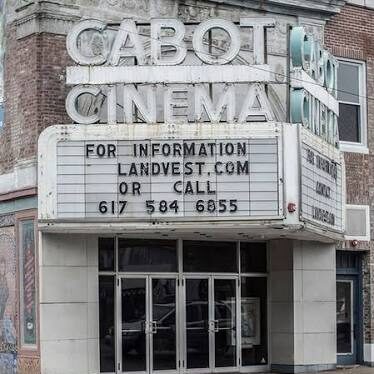
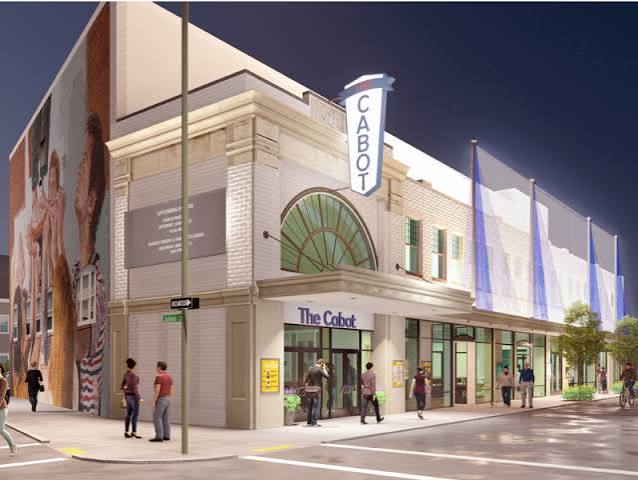
This structured methodology was put to the test during a comprehensive strategic assessment for The Cabot, a historic presenting theater in Beverly, Massachusetts. Operating both a multi-tiered 850-seat mainstage and a smaller satellite venue, Off Cabot, venue leadership needed an operational framework that could align diverse programming—ranging from classic film and stand-up comedy to national roots, rock, and tribute acts—under a single, high-yielding strategy.
During the initial diagnostic phase, the analysis audited several seasons of box office transaction files, uncovering that while headline concerts generated strong gross revenues, overall patron retention suffered from a lack of systematic cross-genre promotion. By executing the 6-step method, the team established clear cost-of-sale targets for each genre, restructured advertising spend to align with specific buyer purchase windows, and mapped out explicit staff responsibilities across email, social, and print channels.
Furthermore, by formalizing the 7 core components into a shared playbook, executive leadership and the board of directors gained complete clarity on how every marketing dollar spent directly supported both immediate show settlements and long-term patron lifetime value. When venue leaders approach planning with this level of structural rigor, strategic plans cease gathering dust on shelves and instead become daily operational engines driving accountable revenue.
Want more data-driven arts marketing insights?
Subscribe to the Sweibel Arts newsletter for case studies, audience development strategies, and practical marketing insights delivered straight to your inbox.
Sweibel Arts clients include performing arts centers around the country, from La Mirada CA to Boston MA. We offer services in fractional leadership, temporary staffing, strategy and planning, revenue and loyalty, executive search, and professional development.